Youth DBT Program

DBT for Adolescents & Young People

Structured support for teens struggling with intense emotions, impulsivity or self-harm behaviours.

Who This Program Is For

Our Youth DBT Program is designed for adolescents who:

It is particularly helpful where standard counselling has not been enough.

  • Experience intense mood swings
  • Engage in self-harm behaviours
  • Express suicidal thoughts
  • Struggle with anger or impulsivity
  • Experience relationship instability
  • Feel overwhelmed by emotions
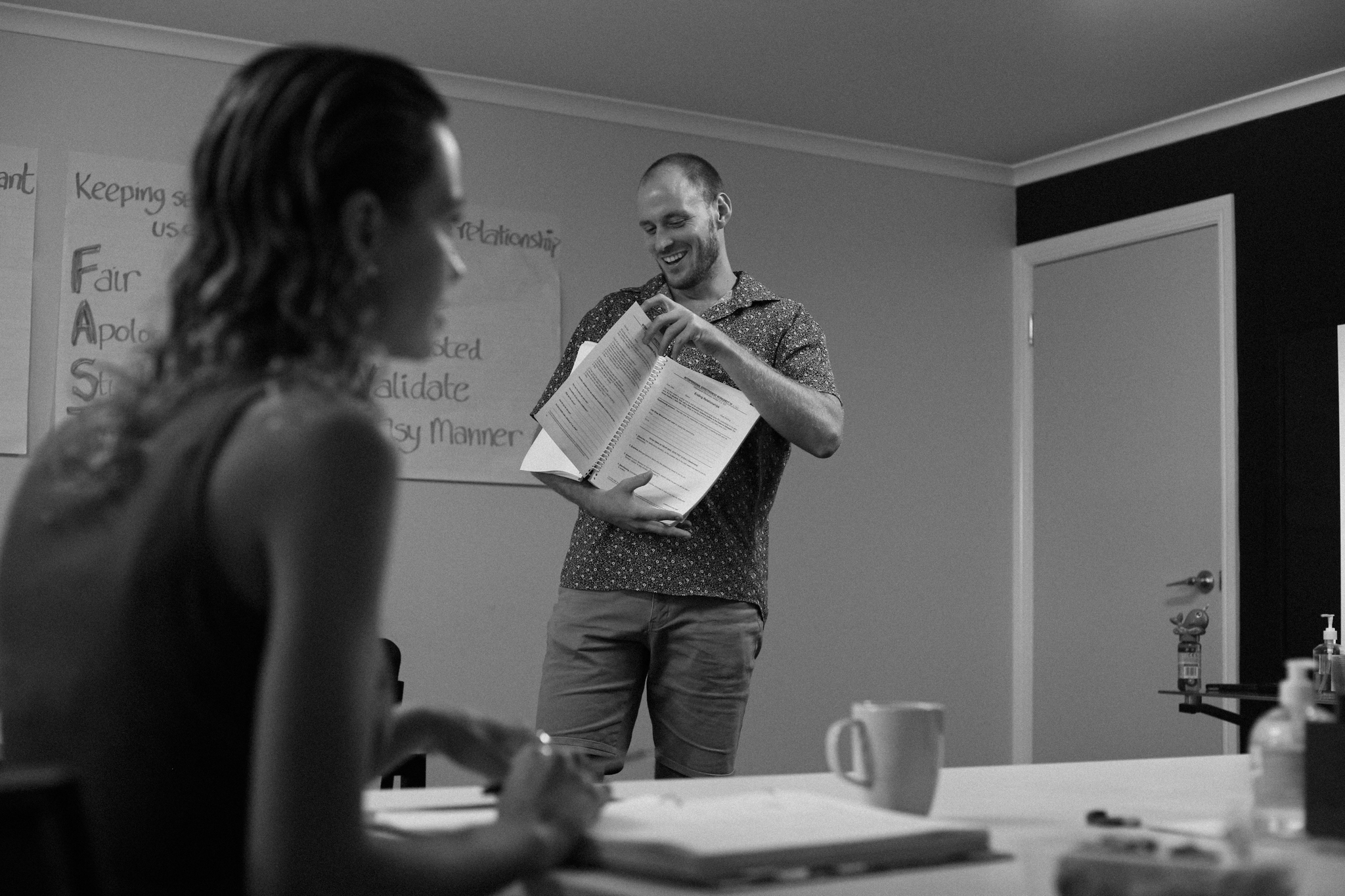
Life Mental Health DBT facilitator laughing warmly while presenting to the group

How Adolescent DBT Works

Youth DBT follows the same structured model as our Adult DBT Program, adapted for developmental needs.

The program includes:

Structure builds safety.

  • Weekly individual DBT therapy
  • Weekly DBT skills training group
  • Skills practice between sessions
  • Parent or caregiver involvement where appropriate
  • Ongoing clinician consultation team
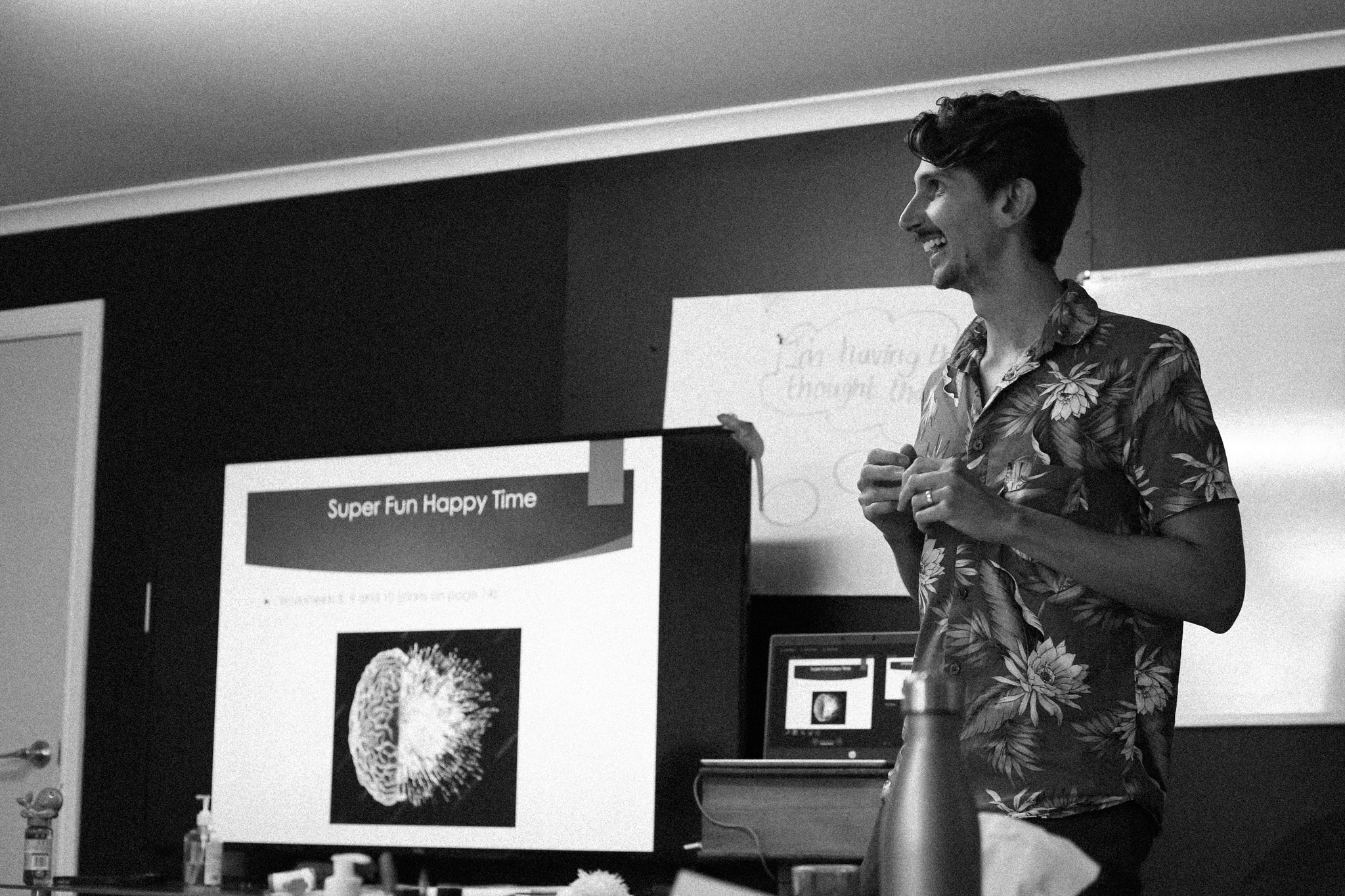
Life Mental Health DBT facilitator presenting an engaging slide to the group

The Role of Parents & Caregivers

For adolescents, progress improves when caregivers are involved.

Depending on suitability, this may include:

We aim to strengthen the whole support system around the young person.

  • Parent skills training sessions
  • Family involvement in goal setting
  • Psychoeducation about emotional regulation
  • Guidance on responding to high-risk behaviours

Skills Young People Learn

Participants are taught practical DBT skills including:

Skills are applied in school, home and peer environments.

  • Mindfulness and emotional awareness
  • Distress tolerance during intense moments
  • Emotion regulation strategies
  • Interpersonal effectiveness and communication
  • Reducing impulsive reactions

Suitability & Safety

Youth DBT is structured and intensive.

Participants must:

We assess readiness carefully during intake.

  • Be willing to engage in therapy
  • Have stable external crisis supports
  • Commit to attendance expectations
  • Engage in behavioural agreements

Referral & Intake Process

Submit an online referral or contact our team directly.

Screening conversation

Intake assessment

Program placement

We collaborate with GPs, psychiatrists, schools and youth services where appropriate.

Funding & Access

Youth DBT may be accessed via:

Private fees

Medicare rebates with appropriate referral

NDIS funding where applicable

Funding options are discussed during intake.

Who Refers to Youth DBT

We commonly receive referrals from:

We prioritise clear communication and coordinated care.

  • GPs
  • Child & adolescent psychiatrists
  • School wellbeing teams
  • Headspace-style services
  • Community youth mental health teams
  • Private clinicians

Frequently Asked Questions

Is this suitable for young people in acute crisis?

DBT requires stable support structures and is not a replacement for emergency or inpatient care.

How long does the program run?

Duration varies depending on stage and progress.

Do parents have to attend sessions?

Parental involvement is strongly encouraged and often improves outcomes.

Is telehealth available for adolescents?

Yes, where clinically appropriate and developmentally suitable.